
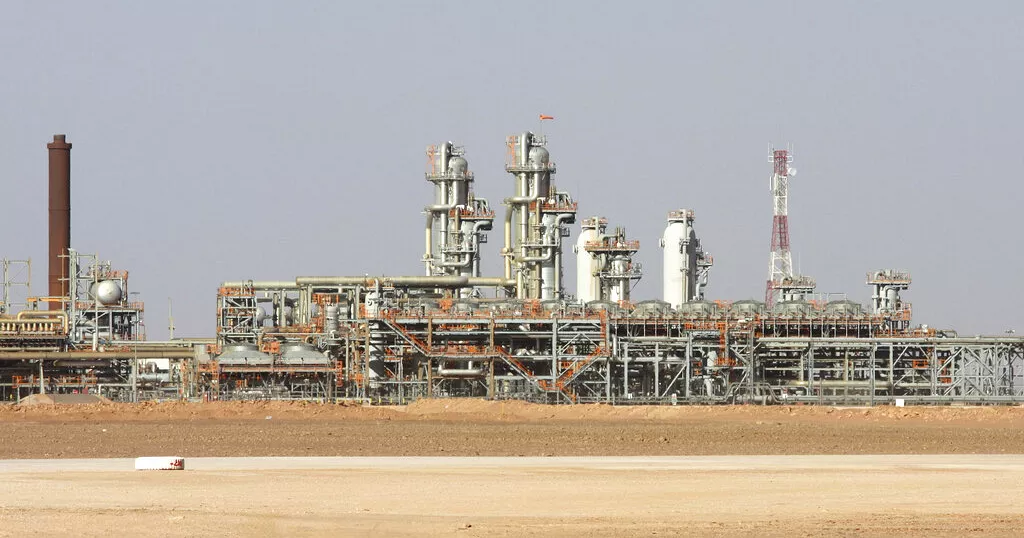
Nigeria’s Port Harcourt Refinery shutdown, which cost the nation N366.2 billion in just five months, highlights once again the deep-seated accountability crisis within the oil sector.
Although the Nigerian National Petroleum Company Limited (NNPCL) insists the closure was for “maintenance and sustainability assessment,” staff sources claim the refinery never truly came back to life.
Reports gathered by Daily Trust allege that instead of actual production, refined products were only being routed through the facility, raising doubts about the credibility of NNPCL’s operations.
If these claims hold true, they severely damage public confidence in both NNPCL’s management and the government’s broader efforts to reduce dependence on imported fuel.
After several failed rehabilitation attempts and the approval of a $1.5 billion revamp in 2021, Nigerians are once again left asking why so much money delivers so little progress.
The refinery, which was said to have restarted operations in November 2024, went silent again after just six months, reflecting the persistent pattern of inefficiency and waste that drains national resources.
Beyond the huge financial loss, the closure has worsened unemployment and disrupted the entire energy supply chain. Workers, tanker drivers, and nearby communities have all felt the impact, while Nigeria continues to spend scarce foreign exchange importing fuel that the refinery was meant to produce.
According to petroleum economist Prof. Wumi Iledare, every inactive month at the refinery costs the country twice—through foreign exchange outflows and missed opportunities for local growth.
The situation calls for urgent action. NNPCL’s Group CEO, Bayo Ojulari, and Minister of State for Petroleum (Oil), Heineken Lokpobiri, must publicly explain the true status of the Port Harcourt Refinery and release a full audit of the $1.5 billion rehabilitation.
President Bola Tinubu should also ensure accountability for those behind this recurring failure. Nigeria cannot keep losing billions while its citizens endure fuel shortages and economic strain.
source: developmentdiaries.com

 African Energy Council