
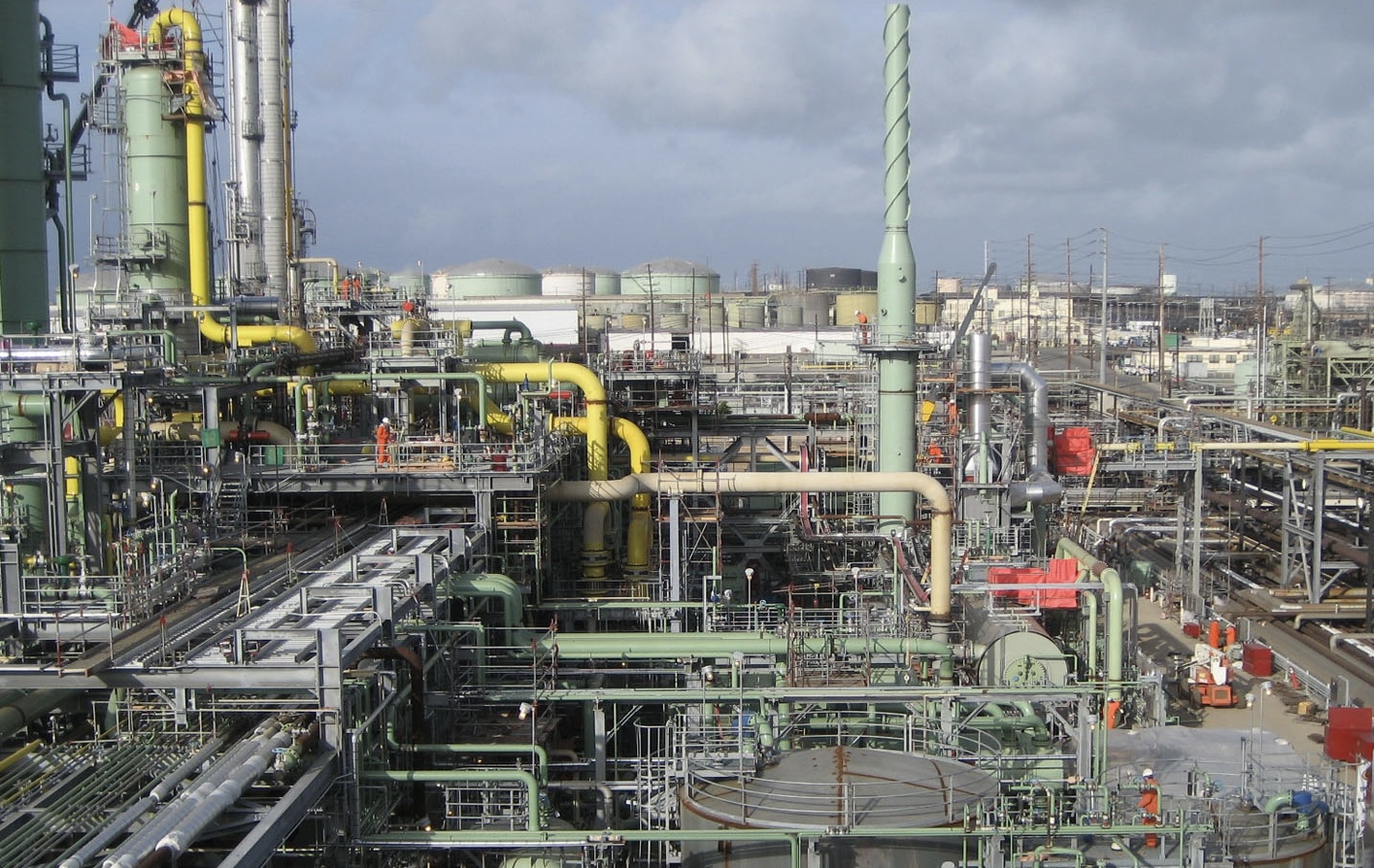
Angola’s long-awaited Cabinda oil refinery, the first built since independence five decades ago, will start producing fuel before the end of 2025.
The 30,000-barrel-per-day facility will serve as Angola’s second refinery, reducing costly fuel imports as the government phases out subsidies that have triggered violent protests in recent years, Reuters reported.
“By year-end, this unit will deliver its first commercial derivatives,” Azevedo told attendees at the inauguration ceremony, which included President João Lourenço.
London-based Gemcorp holds the majority stake in the refinery, while state-owned Sonangol owns 10% and supplies feedstock. Gemcorp has stated that the refinery’s first phase will meet 5–10% of domestic fuel demand.
Angola currently imports about 72% of its fuel needs, or roughly 3.3 million metric tons annually, according to Sonangol. Investment in Cabinda’s first phase has risen to $500–550 million due to pandemic delays and inflation.
The refinery’s second phase will double capacity to 60,000 barrels per day and add a hydrocracking unit for diesel and jet fuel production.
The government is also reassessing other downstream projects. It is reviewing the proposed 100,000 bpd Soyo refinery after challenges with its U.S.-led private developer, Quanten Consortium.
Meanwhile, construction of the 200,000 bpd Lobito refinery will restart after a “thorough review” and cost-reduction plan, as the project still faces a $4.8 billion funding gap, Azevedo said.
Angola’s crude production, however, continues to decline. Output fell below 1 million barrels a day in July, its lowest level since March 2023, underscoring the challenges facing Africa’s second-largest oil producer.
The country, which exited OPEC in late 2023 following a dispute over quotas, has been working to keep production above the million-barrel mark.
To slow the decline, Angola has attracted new investment. Equinor and Chevron have recently increased activity, while TotalEnergies approved a $6 billion development last year.
source: africa.businessinsider.com

 African Energy Council