
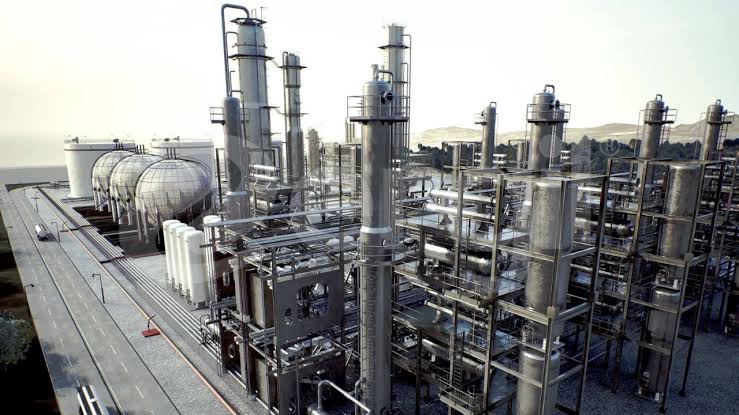
Uganda’s long-delayed national oil refinery is showing fresh signs of progress as the government moves closer to finalizing a $4 billion partnership with a UAE-backed investor. Officials describe the development as a boost for a project that has faced years of setbacks and now sits at the heart of Uganda’s energy plans.
Recent agreements with Dubai-based Alpha MBM Investments LLC have brought the $4 billion refinery project closer to execution. Officials describe the new commitments as a turning point after prolonged negotiations with earlier partners failed to deliver progress.
Once operational, the refinery is expected to process about 60,000 barrels of crude oil per day. Authorities argue this capacity will help Uganda cut its estimated $2 billion annual fuel import bill, easing pressure on foreign exchange reserves and reducing exposure to imported fuel price shocks.
Government leaders also see the refinery as a pillar of national energy security and a platform for regional influence. By refining crude locally, Uganda aims to meet domestic demand more reliably while supplying neighboring countries with petroleum products.
After more than a decade of setbacks, the project is now advancing toward a final investment decision targeted for July 2026. This milestone follows the signing of key agreements between the Uganda National Oil Company and Alpha MBM Investments, which officials say has restored credibility to the project timeline.
The refinery will be located in the Albertine Graben, close to Uganda’s crude oil reserves. Planners expect this proximity to lower logistics costs and support a more integrated upstream and downstream oil sector.
Uganda currently imports most of its petroleum products, a dependence that policymakers link to inflationary pressures and currency strain. The government views domestic refining as a way to retain more value from its oil resources instead of exporting crude and importing finished fuels.
President Yoweri Museveni has framed the refinery as part of a broader industrialization agenda. Speaking at the signing ceremony in Entebbe, he described the project as an effort to shift Uganda away from exporting raw materials and toward producing higher-value goods locally.
Under the proposed ownership structure, Alpha MBM Investments will hold a 60 percent stake, while the Uganda National Oil Company will retain 40 percent. The Uganda Investment Authority says this arrangement reflects a balance between foreign capital and state participation after years of unsuccessful partnership talks.
Regionally, Uganda plans to position the refinery as a supply source for markets such as South Sudan, eastern Democratic Republic of Congo, Rwanda, and Burundi. If the project moves ahead as planned, it could shorten supply routes, lower transport costs, and reduce reliance on fuel imports through coastal ports in Kenya and Tanzania.
source: cedirates.com

 African Energy Council