
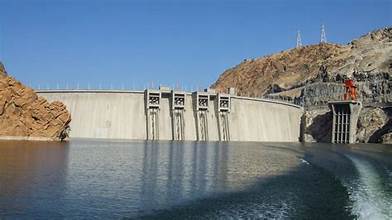
Tanzania commissioned a new 2,115-megawatt hydropower plant, more than doubling the country’s electricity generation capacity. The new plant has also created a power surplus that officials say could support electricity exports and industrial growth.
The Julius Nyerere Hydropower Project (JNHPP), Tanzania’s largest power plant, sits on the Rufiji River and cost about 7.45 trillion Tanzanian shillings ($2.84 billion) to build.
President Samia Suluhu Hassan inaugurated the plant and said it had helped end the power shortages that previously caused frequent and costly blackouts. She said the project would create more opportunities for businesses and investors, increase production and jobs, and support higher incomes and economic growth.
The project has raised Tanzania’s total electricity generation capacity to 4,646 MW, compared with peak demand of 2,271 MW. Energy Minister Deogratius Ndejembi said this leaves a surplus of 2,375 MW that Tanzania can export.
Ndejembi said Tanzania was already discussing electricity exports with several countries, including Kenya and Zambia.
Tanzania began construction of the plant in 2019, but conservation groups criticized the project over concerns that the dam could affect wildlife and habitats downstream of the Rufiji River, which runs through the Selous Game Reserve.
Hassan acknowledged the concerns surrounding the project but said Tanzania had pushed ahead despite the opposition. She said the country could not abandon the project because of its importance to the national economy.
With the new plant now operating, hydropower provides about 60% of Tanzania’s electricity generation. Natural gas supplies a share of the country’s remaining power.
source:www.cnbcafrica.com

 African Energy Council