
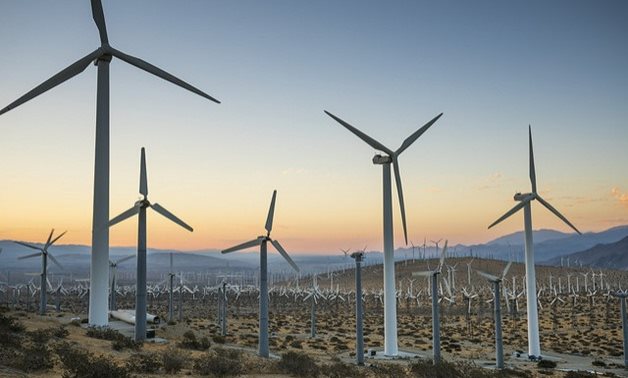
NERSA registered 124 generation facilities between April and June, adding 804MW of capacity and attracting R20.18 billion in investment. Two wind facilities make up 568MW of the total, while the regulator has now registered 20,131MW of generation capacity since 2018.
Two wind farms account for 568MW of the 804MW South Africa’s regulator registered during the three months to June. The remaining 122 facilities are solar photovoltaic projects, with a combined capacity of 236MW.
The 124 facilities attracted R20.18 billion in investment, with an average cost of R25,099 per kilowatt. Sixty-one facilities connect to the Eskom network, representing 757MW and about R19.5 billion in investment. The other 63 connect to municipal distribution networks and account for 47MW and R639 million.
The Northern Cape attracted the largest share of investment at R11.934 billion. Mpumalanga and Gauteng followed in terms of capacity and investment, while the Western Cape, Gauteng, and Limpopo recorded the highest number of registered facilities.
NERSA processed the 124 applications in an average of ten working days. This was slightly faster than the eleven-day average for the 111 applications it processed during the same quarter last year.
South Africa replaced licensing with registration for private generation projects in 2018. Since then, NERSA has registered 2,619 facilities with a combined capacity of 20,131 MW and around R409 billion in investment.
Eskom’s April winter outlook projected a 6 GW surplus in peak capacity and expected the country to avoid load shedding through the end of August. The utility also reported an energy availability factor of 65.35%, up from 54.55% in 2023. However, Eskom noted that only about half of the renewable projects that received grid allocation and offtake agreements since IRP 2019 have been built. It identified this as a potential supply risk between 2029 and 2030.
The quarter highlights two developments happening at the same time. Large wind projects are expanding in the Northern Cape, with investment averaging around R25,000 per kilowatt, while smaller solar projects continue to connect to municipal networks that were not originally designed to handle this level of distributed generation.
source: energy-news-network.com

 African Energy Council