
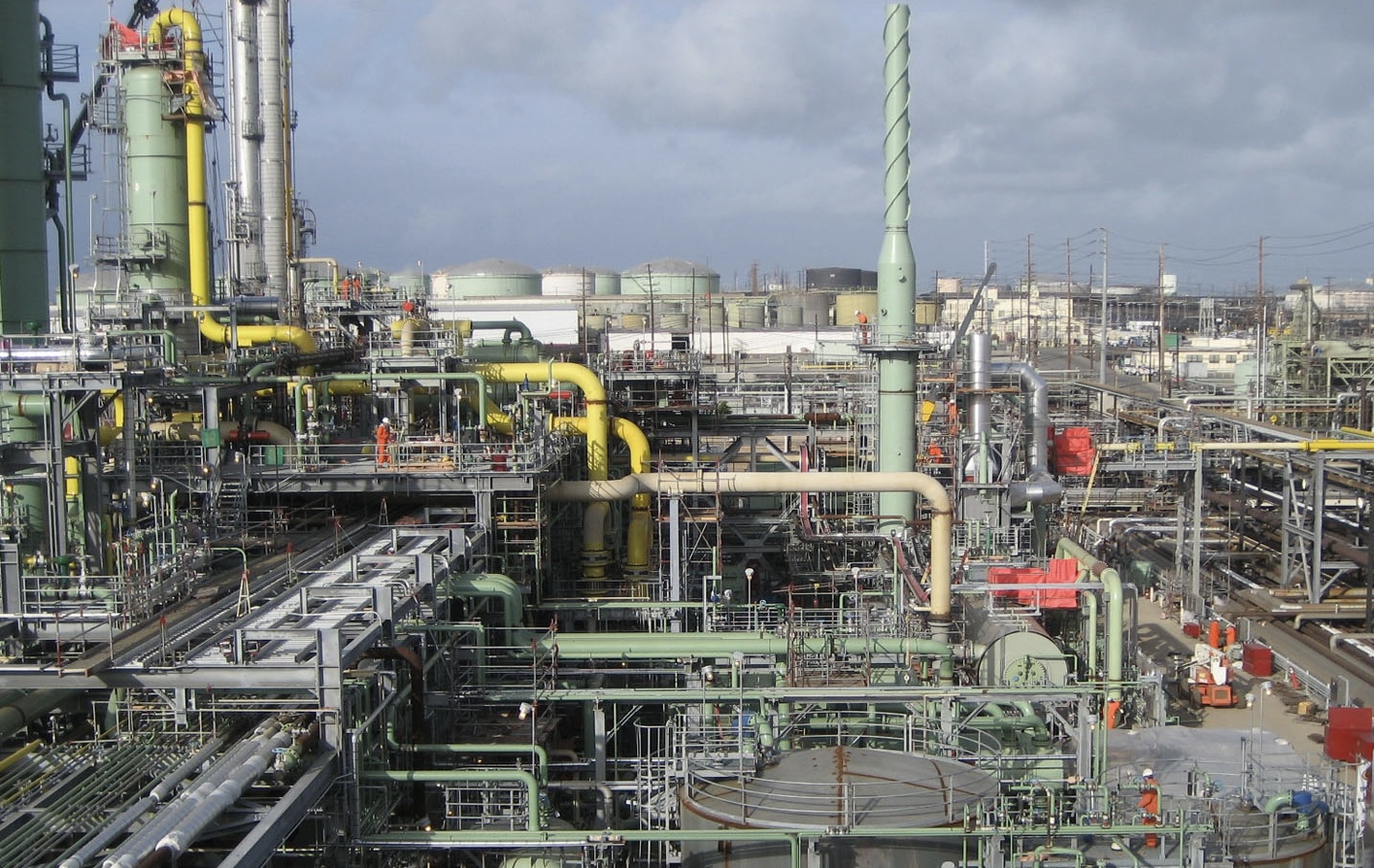
Nigeria is set to become the world’s leading destination for new refinery construction between 2026 and 2030, with Industrial Info Resources (IIR), a global industrial intelligence firm, projecting $10.74 billion in modular refinery investments across the country during the period.
The projection places Nigeria ahead of major refining markets such as the United States, Iran, China, and Iraq. IIR identified 24 refinery projects under development in Nigeria, the highest number among the countries it assessed. The United States and Iran each have 11 planned refineries, Iraq has eight, and China has five.
If developers complete these projects by 2031, Nigeria’s total refining capacity will rise to 2.64 million barrels per day (bpd), significantly strengthening the country’s position in the global refining industry. For decades, Nigeria exported crude oil while relying heavily on imported refined petroleum products, a trend that placed pressure on foreign exchange reserves and exposed the domestic market to fluctuations in global fuel prices.
Hillary Stevenson, Vice President of Energy Intelligence at IIR, said modular refineries will contribute most of the projected capacity growth. These smaller, scalable facilities can be deployed more quickly than conventional refineries, making them an increasingly important part of Nigeria’s downstream development strategy.
The report does not identify the companies or project developers leading the largest refinery developments. It also does not clarify whether the projected $10.74 billion represents new investment commitments alone or includes funding already allocated to ongoing projects.
The investment outlook builds on progress made by the Dangote Refinery, Africa’s largest refining facility. With a processing capacity of 650,000 bpd, the refinery has helped Nigeria become a net exporter of gasoline and an important supplier of jet fuel to European markets, marking a significant shift in the country’s refined products trade.
IIR said continued investment in both new refinery projects and existing refining infrastructure could strengthen Nigeria’s downstream oil sector and further reduce its reliance on imported petroleum products.
Industry analysts also expect higher domestic refining capacity to strengthen Nigeria’s role as a supplier of refined petroleum products to African markets, where many countries continue to depend on fuel imports.
For investors and energy traders, Nigeria’s expanding refinery project pipeline reflects a broader shift in the country’s energy strategy. By increasing domestic refining capacity, Nigeria aims to capture more value from its crude oil resources while expanding its role as a regional supplier of refined petroleum products.
source: businessfront.com

 African Energy Council