
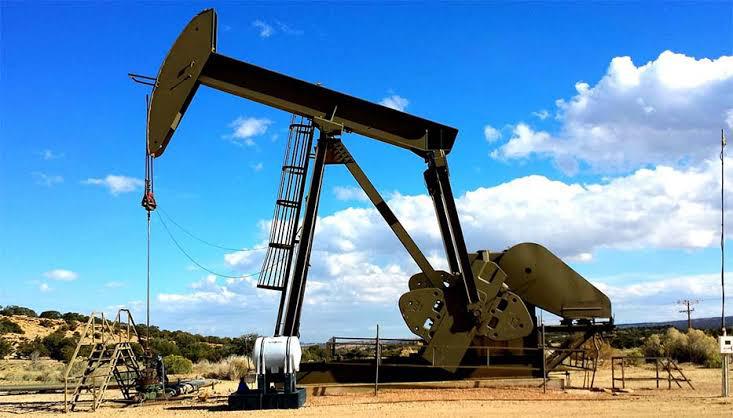
Libya is working to raise its crude oil production to 1.6 million barrels per day by late 2026. The National Oil Corporation (NOC) stated that current output is around 1.38 million barrels per day.
The goal forms part of a broader initiative to rejuvenate the country’s energy sector, which serves as its primary revenue source. NOC projects that between $3 billion and $4 billion in investments will be required to modernize infrastructure and restore lost capacity.
To achieve this, Libyan authorities have initiated discussions with major international oil companies, including ExxonMobil and Chevron, local media reported. These talks focus on developing new onshore and offshore assets while optimizing production from existing fields.
In addition, the country has launched its first oil licensing round in 17 years, a move analysts interpret as a strong indication that Libya is reopening its doors to foreign investors.
Oil and gas continue to be the backbone of Libya’s economy. According to Coface’s 2024 country report, hydrocarbons contribute roughly 90% of government revenues and 95% of exports. The Central Bank of Libya recently affirmed that petroleum income remains the key driver of national finances in 2025.
The U.S. Energy Information Administration estimates Libya’s proven crude reserves at 48 billion barrels as of December 2024, making it the largest reserve holder in Africa.
Restoring production to the pre-crisis level of 1.6 million barrels per day will rely heavily on Libya’s ability to maintain political and security stability. The ongoing division between rival administrations continues to hinder investment, and analysts stress that establishing a stable and transparent regulatory framework is crucial to attracting and retaining foreign investors.
source: www.ecofinagency.com

 African Energy Council