
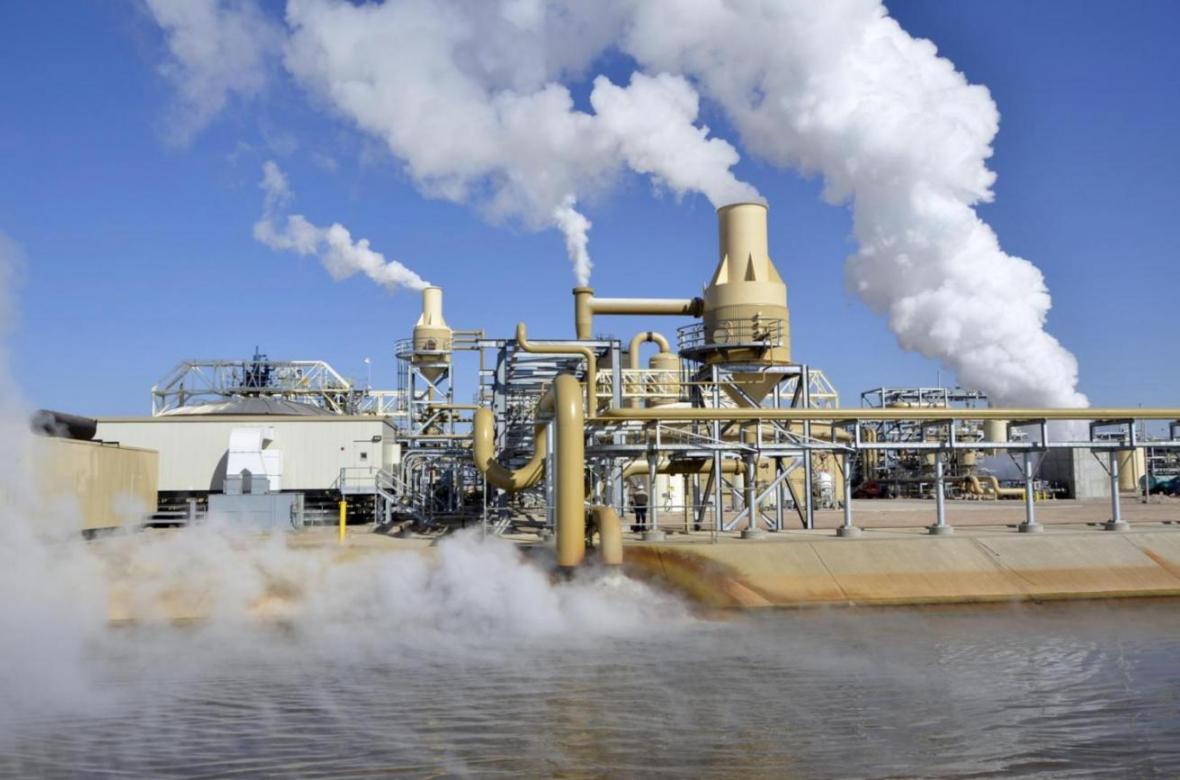
The Kenyan government has approved the construction of the Olkaria VII geothermal power plant. State-owned electricity producer KenGen will lead the project, which is set to add 80.3 MW of electricity to the national grid by mid-2027.
KenGen plans to harness power from 19 geothermal production wells, with the option to drill seven additional wells during the plant’s 25-year lifespan, according to Raddar Africa.
The project will be jointly financed by the Kenyan and Japanese governments, along with the European Investment Bank, and is scheduled for completion by 2027.
KenGen’s CEO, Engineer Peter Njenga, highlighted the Olkaria VII plant as a cornerstone of the company’s newly launched 10-year strategic plan. This plan aims to deliver at least 1,500 MW of renewable energy to the national grid over the next decade.
Geothermal power will contribute about 800 MW to this target, while solar, wind, and hydro sources will make up the remaining capacity.
Kenya currently has an installed power generation capacity of 1,726MW, with geothermal energy making up a substantial share. By completing the Olkaria VII plant, the government intends to move closer to its goal of relying entirely on renewable energy by 2030.
At the same time, the Cabinet has approved Phase III of the Last Mile Connectivity Project (LMCP), which aims to connect 180,500 new households, schools, health centers, and MSMEs to the grid while reinforcing Kenya’s distribution network.
The government will implement this initiative in partnership with the African Development Bank (AfDB) and the Canada-AfDB Climate Fund. The program will tackle persistent challenges, including high connection costs, idle transformers, and weak infrastructure in rural areas.
Counties with low electricity access and no prior support under similar initiatives will receive priority in this rollout.
source: www.esi-africa.com

 African Energy Council