
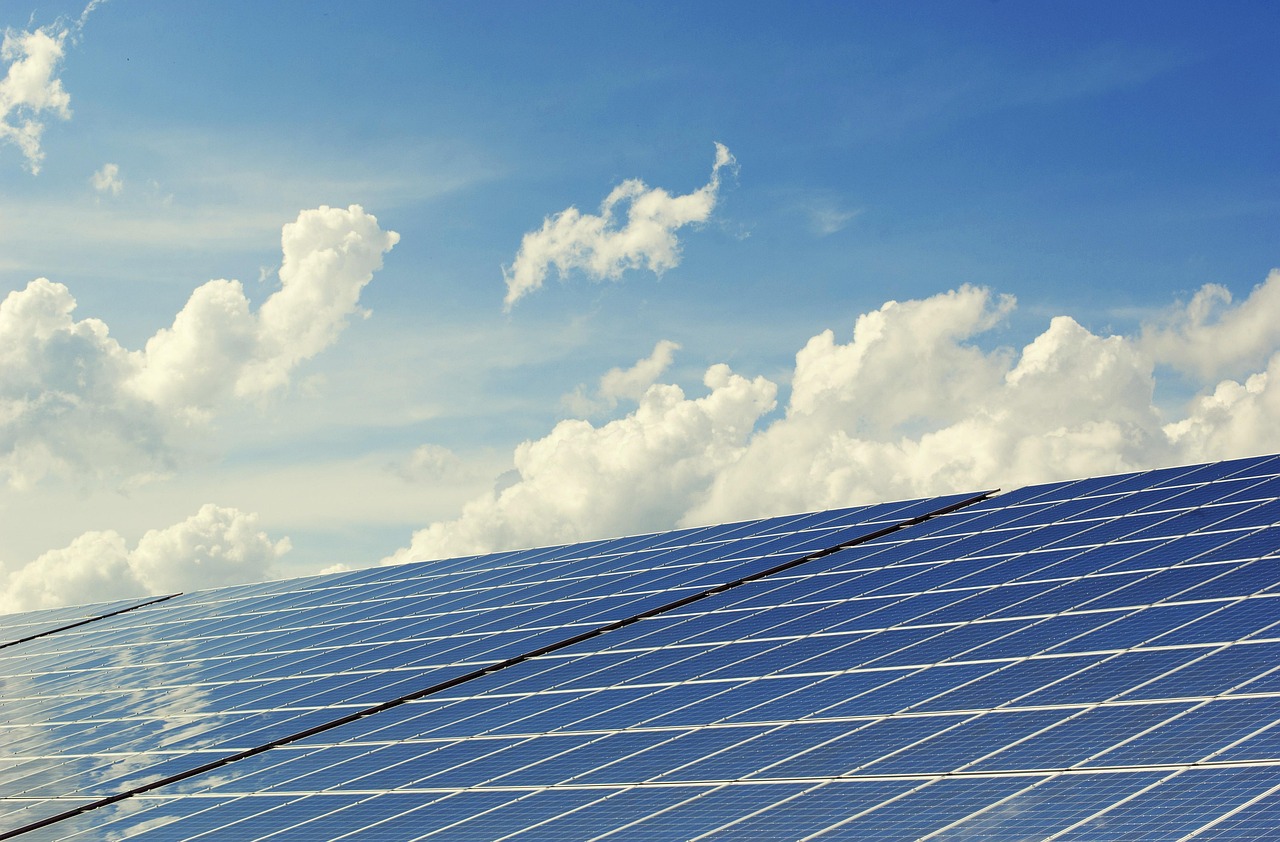
Eskom Green has launched a R1.2 billion project to bring renewable energy into its coal-fired power station network, beginning with a 75 MW solar plant at the Lethabo station in the Free State.
The utility plans to add about 6 GW of new capacity by 2030 by converting existing industrial sites into renewable energy hubs through a number of prioritized green energy projects.
The Lethabo solar facility forms part of 17 priority projects Eskom plans to develop at its existing coal-fired power stations. Construction is expected to start between now and 2028.
Eskom plans to roll out the projects across several power stations, including Arnot, Duvha, Majuba, Tutuka, Lethabo, Komati, Kendal, Kusile, Hendrina, Camden, and Grootvlei.
The utility said it will use existing infrastructure to speed up development, lower costs, and strengthen grid reliability.
Once completed, the solar plant is expected to produce about 147 GWh of electricity each year and supply power to around 60,000 households.
Eskom said the project will also support local economies and provide skills development opportunities during construction and operations.
“Bringing this solar plant into the Lethabo Power Station site affirms our deliberate strategy to optimize existing assets while accelerating new lower-carbon generation capacity,” said Eskom Group Executive for Generation, Bheki Nxumalo.
Nxumalo said Eskom still relies on coal-fired operations to maintain grid stability while also strengthening the system through renewable energy integration.
He added that Eskom can expand its generation capacity more effectively by using its existing infrastructure and technical expertise while maintaining reliability.
The utility said it plans to reduce pressure on its balance sheet by funding renewable energy projects through Special Purpose Vehicles (SPVs) using project finance structures.
Eskom said this funding model will help move forward its pipeline of more than 32 GW of renewable energy and storage projects planned through 2040.
source: businesstech.co.za

 African Energy Council