
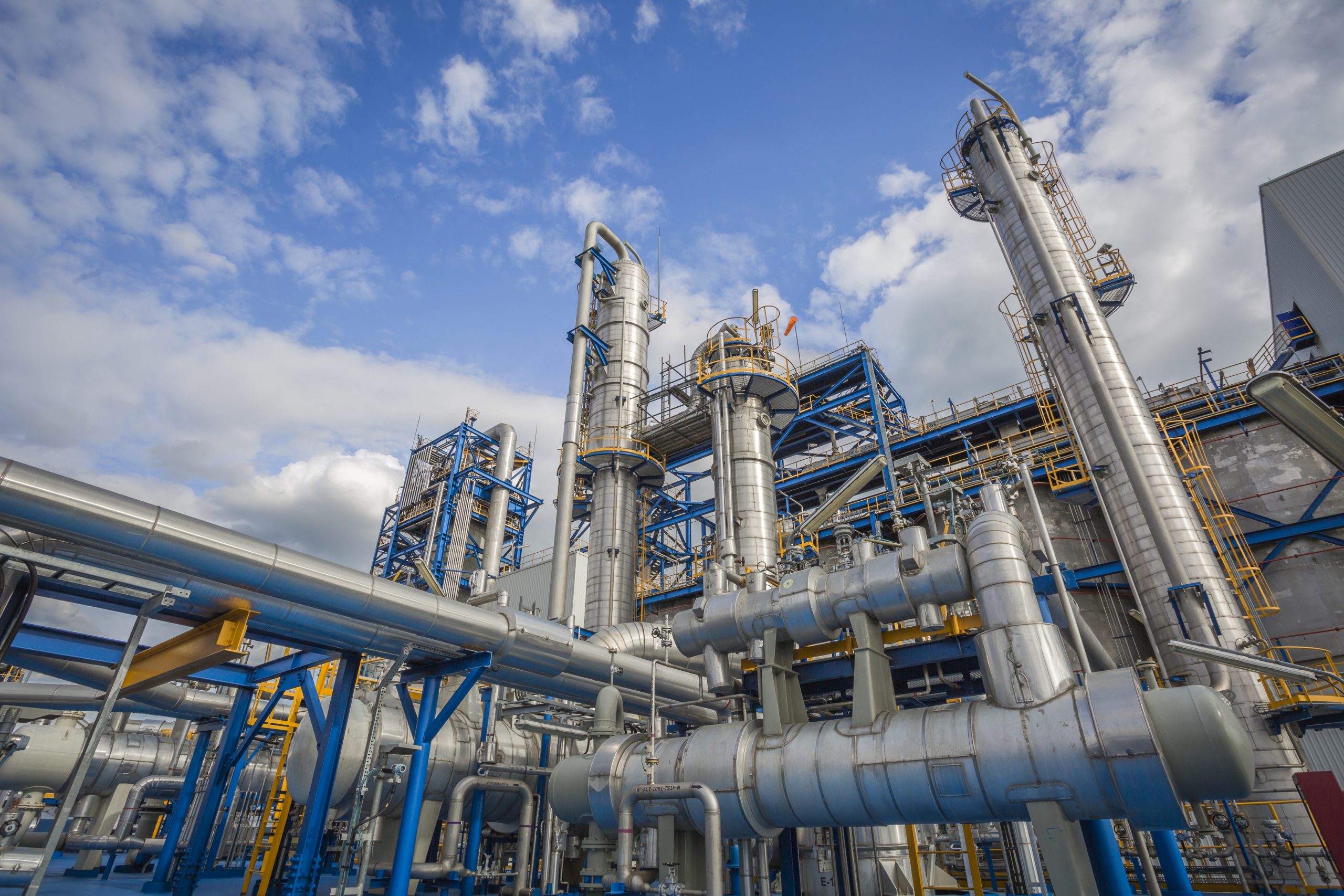
Cameroon plans to restart its 42,000 bpd refinery by 2027 through a restructuring and recovery program approved this month.
The board formally endorsed the rehabilitation framework, called Parras 24, on August 13, setting a 24-month schedule for restructuring and repairs.
Officials emphasize that government backing will play a decisive role in resolving the refinery’s financial and operational troubles.
In its official statement, the company announced that the rehabilitation plan aims to relaunch Sonara’s core operations and secure continuous petroleum product supply.
The operator assured partners and customers that it would keep the market well supplied throughout the rehabilitation period.
The statement added that refined products would continue to reach national and international markets in both quantity and quality until the refinery restarts fully.
Since halting operations, the refinery has piled up debts of CFA376 billion by 2021, while repair costs are expected to surpass CFA250 billion.
A 2019 fire crippled four vital units at Cameroon’s only refinery and forced the country to depend almost entirely on imports to meet fuel demand.
Sonara holds the capacity to process 2.1 million tonnes of crude annually, with the state owning nearly all shares except for Total’s 4% stake.
Because Sonara is the sole refinery serving Cameroon, any delay in restoring it threatens to worsen supply vulnerabilities and trigger severe fuel shortages.
The prolonged shutdown has weakened Cameroon’s downstream oil sector, driven up reliance on imports, drained foreign exchange reserves, and widened the trade deficit.
The refinery’s restart still faces hurdles as engineers must complete technical upgrades, restructure supply chains, and push through long-delayed modernization programs to secure long-term competitiveness.
Analysts argue that reviving the refinery could slash import dependence, stabilize domestic fuel prices, and strengthen Cameroon’s role in regional energy markets.
Refining capacity across West and Central Africa still falls far short of demand, with Nigeria heavily reliant on imports despite the Dangote refinery and smaller plants in Chad, Gabon, and Congo-Brazzaville running far below capacity.
If Cameroon revives the 42,000 bpd facility, the plant could help bridge the supply gap, cut reliance on European imports, and reinforce the country’s position as a key Gulf of Guinea supplier.
Yet the project still must overcome critical hurdles in financing, technical upgrades, and compliance with cleaner fuel standards.
source:africa.businessinsider.com

 African Energy Council