
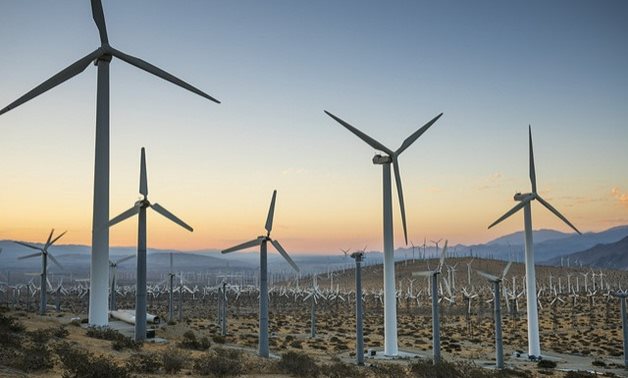
The first wind farm will be located at Tilghemt in Laghouat province, while the second will be built in Djelfa province. Each project will have a capacity of 100 MW, bringing the combined capacity to 200 MW. Contractors will handle the entire process, including technical studies, engineering, civil works, equipment procurement and transportation, installation, staff training, testing, commissioning and connection to the electricity transmission network.
Algeria is accepting bids from domestic and international companies with relevant project experience and the technical and financial capacity to deliver the work. Companies can also form bidding consortia, creating opportunities for local construction firms, equipment suppliers, engineering consultants and maintenance service providers to participate in the projects.
The inclusion of wind power signals a move to diversify Algeria’s renewable energy portfolio, which has largely focused on solar projects. Combining wind and solar could help spread electricity generation across different times and weather conditions, depending on the resources available at each site. However, wind power cannot replace solar or natural gas on its own. Algeria will need accurate generation forecasts, adequate reserves and a reliable grid to manage fluctuations in wind output.
The scale of Algeria’s energy challenge remains significant. According to the International Energy Agency, natural gas accounted for nearly 99% of the country’s electricity generation in 2024, while renewables contributed approximately 1%. Electricity demand grew by 5.4% that year, and the agency projected average annual growth of 5.2% between 2024 and 2027. Although the two wind farms will not significantly change the national energy mix on their own, they will help test Algeria’s ability to develop wind power, support related industries and integrate more renewable electricity into its grid.
The tender will also test the financial and commercial viability of wind power projects in Algeria. Bidders must account for financing costs, grid connection expenses, construction risks and the terms for selling the electricity generated. Their choices of technology and suppliers will also affect operating costs over the projects’ lifetimes. While a lower initial bid may appear attractive, delays in equipment delivery, limited access to spare parts and poor turbine performance could increase costs over time.
source: africa-energy-portal.org

 African Energy Council