
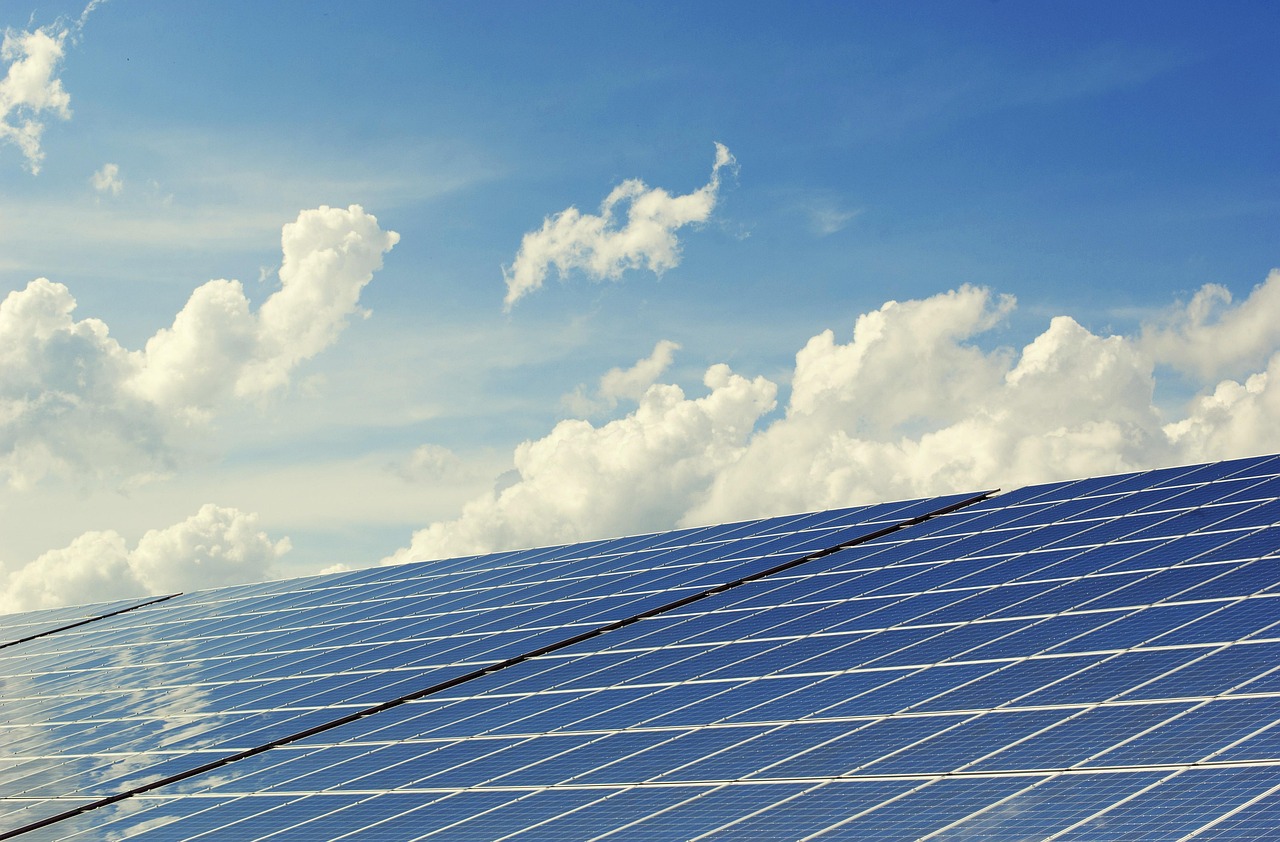
Zambia has officially launched a 100-megawatt solar power plant, advancing the country’s renewable energy ambitions. The Chisamba solar plant will power roughly 90,000 households, directly expanding electricity access for thousands of Zambians.
With this project, Zambia hosts the fifth-largest single solar facility in Africa after Egypt, Morocco, and South Africa, and the third-largest in sub-Saharan Africa, showing the region’s accelerating shift to renewables.
The $100 million project strengthens Zambia’s energy capacity, reduces dependence on fossil fuels, and drives economic growth by supplying power to homes, businesses, and public institutions. It will also prevent about 150,000 tons of carbon dioxide emissions annually, reinforcing the country’s climate goals.
Compared to Africa’s largest projects—Egypt’s Benban Solar Park at 1.8 gigawatts, Morocco’s Noor Ouarzazate at 580 megawatts, and South Africa’s De Aar plants at more than 175 megawatts—Chisamba may be smaller, but it carries strategic importance by addressing local energy deficits, boosting industrial potential, and signaling a commitment to regional energy security.
The project also opens doors for cross-border electricity trade and renewable integration, which can stabilize Southern Africa’s grid and support neighboring countries facing shortages. Its cost efficiency further strengthens its impact: at about $1 million per megawatt, Chisamba ranks cheaper than comparable projects in Egypt, Morocco, and South Africa. With its household coverage, avoided emissions, and revenue potential, the plant offers strong economic and social returns, with expected payback within 15–20 years.
By commissioning the Chisamba plant, Zambia shows clear intent to embrace clean energy and contribute to Africa’s transition. The ability to supply 90,000 homes, cut carbon emissions significantly, and deliver competitive returns positions the country as a rising player in regional renewable energy.
While challenges remain in areas such as maintenance, grid integration, and affordability, Chisamba sets a benchmark for other African nations aiming to expand sustainable energy capacity. Through this project, Zambia demonstrates its vision for energy security, economic progress, and environmental sustainability in sub-Saharan Africa.
source: malawi24.com

 African Energy Council