
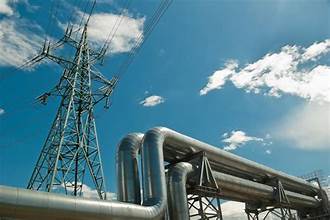
East African countries are preparing to export crude oil through the East African Crude Oil Pipeline (EACOP) as construction of the cross-border project enters its final phase.
The 1,443-kilometer heated pipeline runs from Uganda’s oil fields in the Lake Albert Basin to the Tanzanian port of Tanga on the Indian Ocean. Developers expect to complete construction by the end of July, with crude oil exports scheduled to begin in October.
The pipeline will transport crude oil from the Tilenga and Kingfisher oil fields in western Uganda to international markets through Tanzania’s coastline. It will also become the world’s longest electrically heated crude oil pipeline.
Once operations begin, the pipeline is expected to transport more than 200,000 barrels of crude oil per day, allowing Uganda to export commercially produced crude oil for the first time.
The project is expected to strengthen East Africa’s position as an emerging oil-exporting region. Uganda and Tanzania also expect the investment to support infrastructure development, create jobs, and boost trade.
The East African Crude Oil Pipeline Company says the project uses advanced heated pipeline technology to transport Uganda’s waxy crude oil safely over the long distance to the export terminal in Tanga.
According to the company, engineers have completed pressure testing on the pipeline. The system will be monitored along its entire route and includes leak detection technology that can isolate sections of the pipeline if an incident occurs.
The company says it has designed the pipeline to remain underground throughout its route, with operations managed from several control stations.
Since construction began, the project has attracted international attention, with discussions focusing on energy development, environmental management, and the livelihoods of local communities.
Environmental organizations have continued to call for careful management of ecosystems along the pipeline route. They have also stressed the need to protect sensitive habitats and water resources.
The pipeline passes through areas in Uganda and Tanzania that support diverse wildlife and include several environmentally important ecosystems.
Ugandan authorities say the country’s oil resources are central to its long-term economic development plans. They also expect petroleum revenues to support broader national growth once production begins.
The project has attracted significant international investment from partners including French energy company TotalEnergies and China National Offshore Oil Corporation.
Completing the export pipeline provides the infrastructure needed to commercialize the oil reserves discovered in the Lake Albert Basin nearly two decades ago.
Developers have built EACOP alongside production facilities at the Tilenga and Kingfisher oil fields. Both fields are expected to begin supplying crude oil once the export system becomes operational.
The commissioning of the pipeline will mark a major milestone for East Africa’s energy sector, with Uganda set to join the ranks of crude oil-exporting countries through a dedicated international pipeline connecting the region to global markets.
source: www.the-star.co.ke

 African Energy Council