
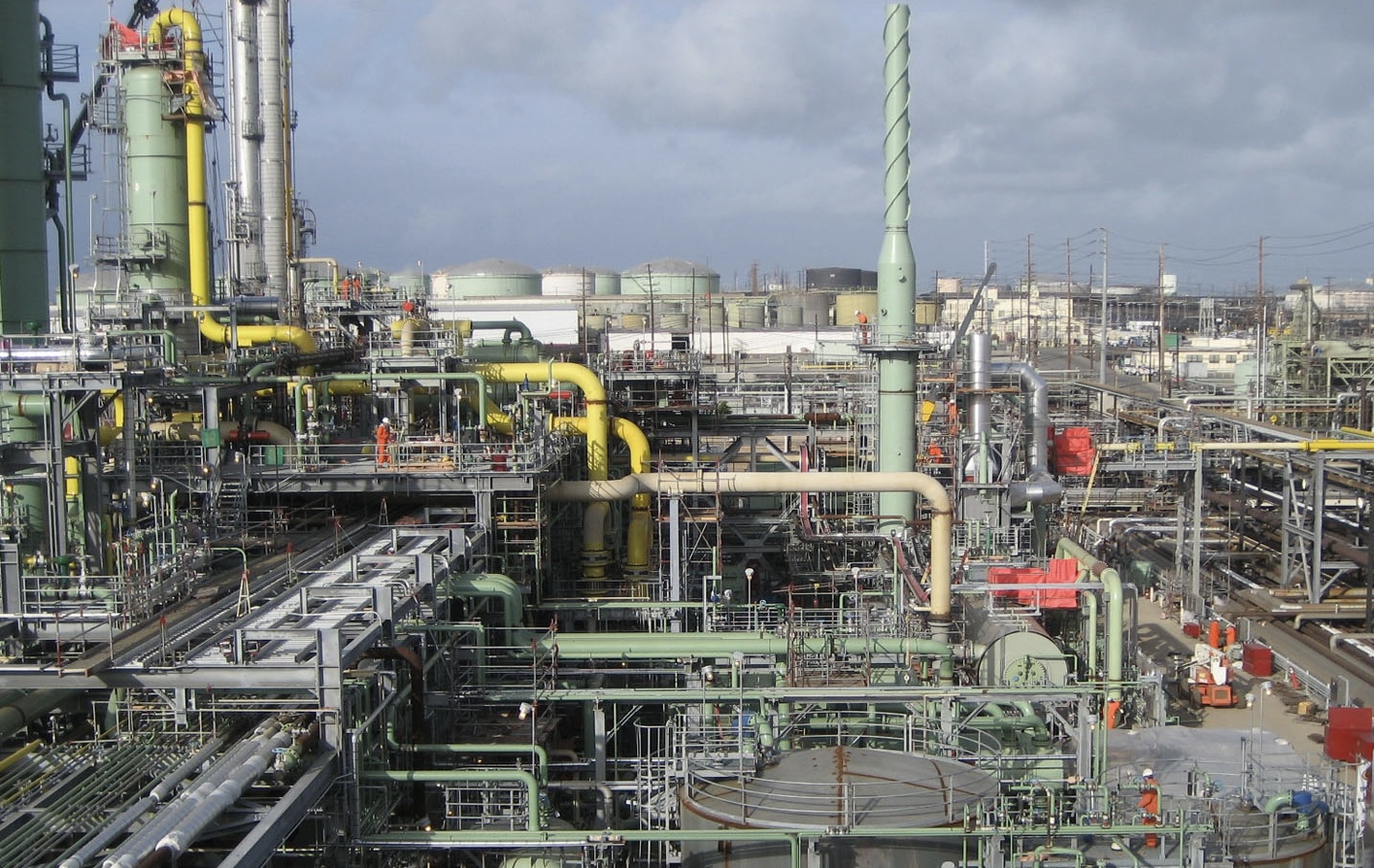
Niger has signed a $1.9 billion agreement to build a 100,000-barrel-per-day refinery and petrochemical complex in Dosso. The project supports the landlocked country’s plan to refine more of its crude locally and strengthen its position as a regional energy supplier.
Niger signed the agreement with Zimar Group and its partner, High Tech, on August 15. The deal covers the refinery’s design, financing, construction, and operation, followed by its transfer to the Nigerien government under a build-operate-transfer arrangement.
The partners expect to complete construction within three years and operate the refinery for 13 years before handing it over to the government.
With a capacity of 100,000 barrels per day, the refinery would rank among West Africa’s largest once operational. It would sit behind Nigeria’s 700,000-bpd Dangote Refinery and Ghana’s 120,000-bpd Sentuo Oil Refinery.
The Dosso project significantly increases Niger’s refining capacity.
Niger currently operates the 20,000-bpd Zinder refinery through Société de Raffinage de Zinder (SORAZ). The new facility would have five times the capacity and could help Niger shift from mainly exporting crude to supplying refined petroleum products to local and regional markets.
The agreement also covers pipelines, storage facilities, and a broader petrochemical complex. This could turn the project into a wider industrial center rather than just a refinery.
Zimar Group CEO Benjamin Day Marc said the company plans to build the infrastructure needed to support the refinery and create thousands of direct and indirect jobs. The company also plans to train Nigerien workers.
Marc said the refinery would process Nigerien crude for local consumption, while the country could export any surplus petroleum products to neighboring markets.
This regional focus matters because Niger is landlocked and depends heavily on external supply chains to meet its fuel needs.
The project follows a memorandum of understanding Niger and Zimar signed in October 2024. The earlier proposal also included a 100,000-bpd refinery, with plans suggesting that the project could develop in phases.
The latest agreement takes the project beyond the earlier MOU and establishes a formal PPP and BOT structure. However, the partners still need to secure financing before construction can begin.
The Nigerien government has given the consortium four months to secure financing and complete detailed engineering work. The partners expect to reach financial close within 12 months.
These deadlines will be important because the consortium still needs to raise the $1.9 billion required to move the project from an agreement to actual construction.
The refinery forms part of Niger’s wider effort to generate more value from its growing oil industry.
Niger started exporting crude through the Niger-Benin oil pipeline in 2024, giving the country access to international markets. The government now wants to expand domestic refining so more of the value from its oil resources stays within Niger.
The Dosso refinery could also strengthen Niger’s role within the Alliance of Sahel States if it can supply refined products to Burkina Faso and Mali. Both countries are landlocked and face major energy and transport challenges.
For Niger’s military-led government, the project also supports its plan to expand economic partnerships and process more of the country’s natural resources domestically.
If the consortium secures financing and completes construction as planned, the Dosso refinery would become one of Niger’s largest industrial projects and could reshape its role in the West African energy market.
For now, financing remains the key test. The project has moved from an MOU to a formal agreement, but turning the plan into a 100,000-bpd refinery will depend on whether the consortium can meet the government’s financial-close deadline.
source:africa.businessinsider.com

 African Energy Council