
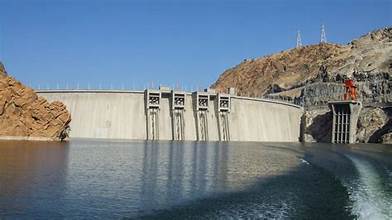
Mozambican companies have secured the first service contracts for the Mphanda Nkuwa hydropower project, marking the beginning of local business participation in what is expected to become Southern Africa’s largest power infrastructure project in more than 50 years.
The project development company formalized the agreements during a signing ceremony, according to Club of Mozambique. These contracts mark the first step in bringing Mozambican suppliers into the estimated $5–6 billion hydropower development.
The Mphanda Nkuwa hydropower project is located on the Zambezi River in Tete Province, about 60 kilometers downstream of the Cahora Bassa Dam. A consortium comprising France’s TotalEnergies and EDF, alongside Mozambique’s Hidroeléctrica de Cahora Bassa, is developing the project after being selected in May 2024, according to Agence Ecofin. Once completed, the hydropower plant will generate 1,500 megawatts of electricity.
The World Bank estimates the project’s cost at between $5 billion and $6 billion. It is supporting the project by providing guarantees to reduce political and financial risks for private investors, financing part of the transmission infrastructure, and offering legal and environmental assistance. The African Development Bank is also helping to structure financing and plans to fund part of the 1,300-kilometer transmission line that will transport electricity from the hydropower plant to industrial centers and neighboring countries.
The project places strong emphasis on local content as part of its development strategy. The award of the first contracts follows the signing of a new local content law by President Daniel Chapo, which requires greater participation by Mozambican companies in major infrastructure and natural resource projects.
The Mphanda Nkuwa hydropower project is expected to strengthen Mozambique’s position as a net exporter of electricity to Southern Africa. The World Bank estimates that the region faces a power deficit of about 10,000 megawatts, leaving millions of people without reliable electricity. Mozambique already supplies surplus hydropower to the region through the Cahora Bassa Dam, and the new project is expected to expand that role.
The government is advancing several large-scale energy projects simultaneously. The Mphanda Nkuwa hydropower project is scheduled to begin operations in 2031 and will serve as a cornerstone of Mozambique’s electricity expansion strategy, alongside natural gas developments in the Rovuma Basin and solar projects under construction in central and northern parts of the country.
source: www.ecofinagency.com

 African Energy Council