
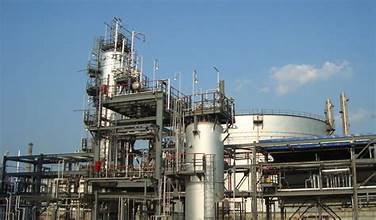
Cabinda’s new oil refinery, the first built in Angola since independence from Portugal 50 years ago, has begun supplying fuels to both local and international markets. The development comes as global fuel supply concerns continue amid tensions linked to the Iran conflict.
Before the Cabinda refinery, Angola operated only one refinery located in the capital, Luanda, under the state oil company Sonangol.
The Cabinda refinery can process 30,000 barrels of crude oil per day. It is already supplying diesel within Angola while exporting naphtha and heavy fuel oil to international markets, according to investment firm Gemcorp Capital, which owns a 90% stake in the facility.
Gemcorp founder and CEO Atanas Bostandjiev said the refinery was originally developed to improve Angola’s energy security. He added that the current geopolitical tensions in the Middle East have reinforced the importance of that strategy.
Although the Cabinda refinery is relatively small, its 30,000 bpd capacity could still cover about 10% of Angola’s fuel demand. In comparison, the Dangote Refinery in Nigeria has a capacity of 650,000 bpd.
The refinery’s output could help Angola reduce its dependence on imported fuel, especially as supply pressures continue during the Middle East crisis.
Developers spent about $470 million to build the 30,000 bpd refinery. Gemcorp Capital estimates that a second phase expansion, which would raise capacity to 60,000 bpd, could require another $700 million in investment.
The investment firm plans to take a final investment decision on the proposed expansion before the end of the year.
For many years, African countries exported crude oil while relying heavily on imported refined fuel because of limited refining capacity. That trend is beginning to shift in major producers like Nigeria and Angola, where the Dangote and Cabinda refineries are helping reduce fuel import dependence.
source: oilprice.com

 African Energy Council